Case Study · AWS Enablement Architecture
AWS Mentor Connect
A self-service technical guidance model designed to replace static office hours with focused, learner-initiated mentorship for healthcare cloud migration teams.
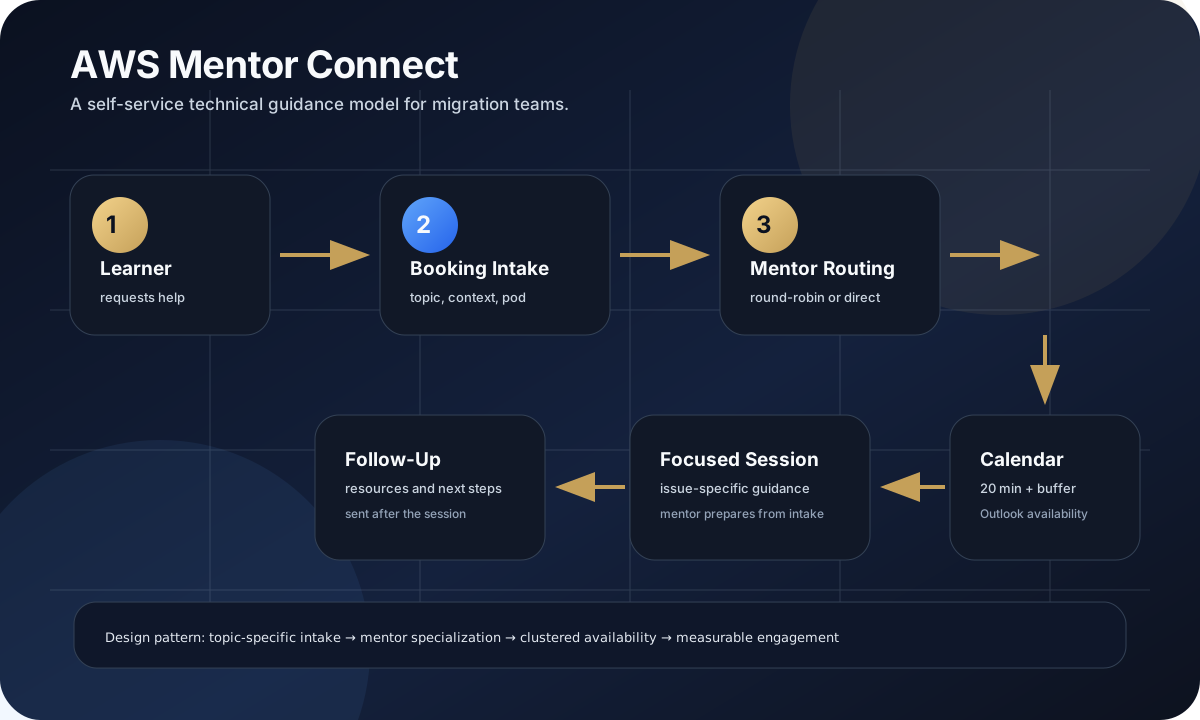
Engagement Model
Self-Service
Learners initiate support when they have a specific technical need.
Session Unit
20 + 10
Focused mentor block plus buffer for context, troubleshooting, and notes.
Lead Time
48 hrs
Protects mentor focus and gives time to review intake details.
Routing Model
Pods
Requests route to specialized mentor pools by topic domain.
Strategic Problem
Office hours did not match the pace of migration work.
Static office hours create availability without context. Mentor Connect changes the model: learners book help when they have a defined need, mentors receive intake details in advance, and the system routes the request to the right technical domain.
Temporal Flexibility
Uses defined engagement blocks and mentor availability patterns to provide broader coverage without fragmenting the full workday.
Migration Journey Alignment
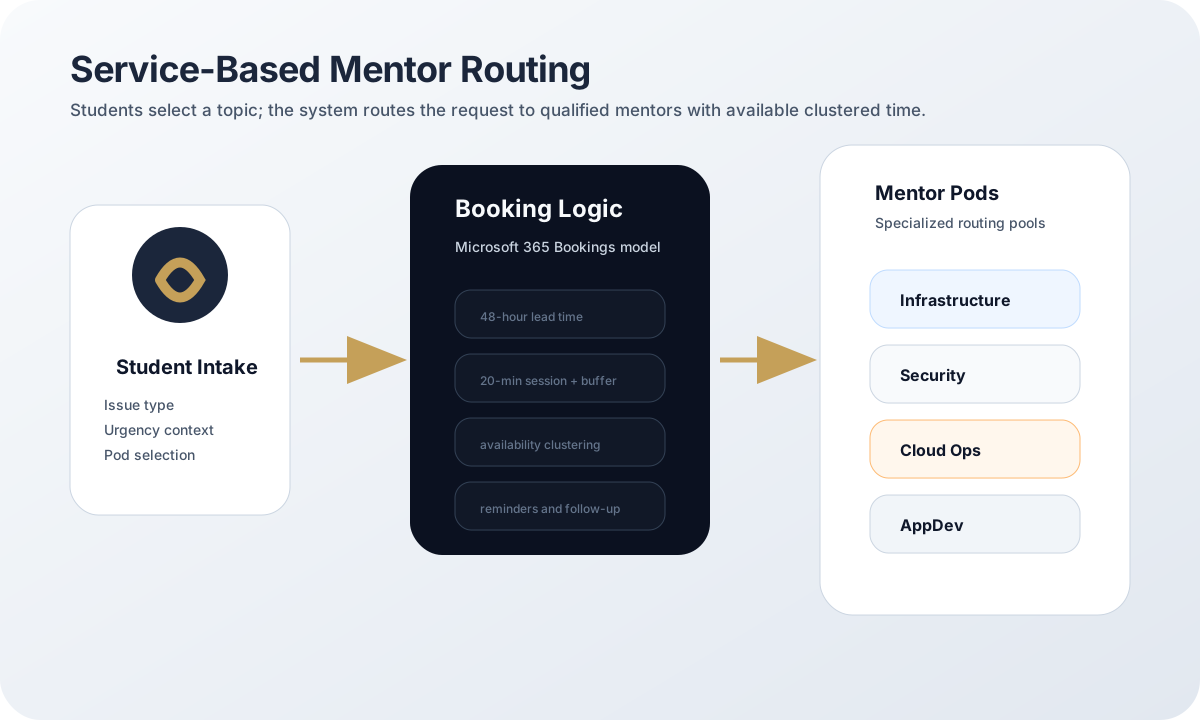
Routes requests into topic areas aligned to practical AWS migration work, including infrastructure, security, cloud operations, and application development.
Learner-Centric Intake
Replaces generic office hours with issue-specific intake so the mentor can prepare and the learner arrives with a clear reason for the session.
Routing Architecture
Topic-specific guidance instead of generic availability.
Service-based mapping allows each learner request to be matched with the right technical specialization. This makes the mentor interaction more useful and is designed to protect senior technical staff from scattered, context-free interruptions.
Design Decisions
Built as an operating model, not just a calendar link.
The design combines scheduling, intake, routing, and follow-up into a repeatable support system for cloud adoption programs.
From Static Office Hours to Request-Based Support
Mentor time is blocked only when a learner commits to a defined topic, reducing unproductive open sessions and improving the signal quality of engagement.
Service-Based Mapping
Each service category can maintain its own intake form, mentor pool, and routing logic so specialized questions reach qualified mentors.
Direct and Pooled Mentoring Paths
The model supports follow-up sessions with a specific mentor as well as round-robin assignment across the available mentor pool.
Calendar-Focused Productivity Guardrails
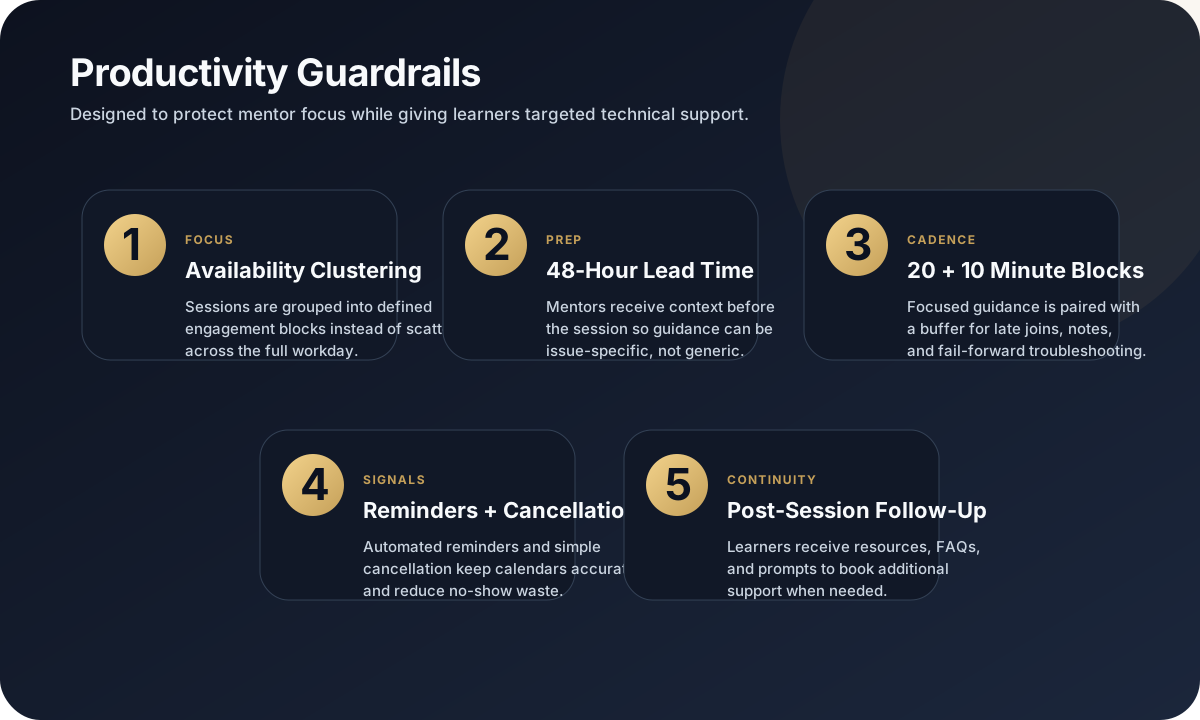
Availability clustering, defined scheduling intervals, reminders, and cancellation links preserve mentor focus while keeping the learner experience simple.
Productivity Guardrails
Protected mentor time, clearer learner engagement.
The core productivity issue was not simply scheduling; it was preserving high-value technical focus while giving learners a reliable path to support. The model uses lead time, clustered availability, reminders, and buffers to make support predictable.
Learner selects a support topic
The intake path begins with a focused topic selection instead of a generic help request.
Booking form captures context
The learner provides enough detail for the mentor to understand the issue before the session begins.
Service mapping routes the request
The selected topic maps the request to the correct domain pod and mentor availability pool.
Mentor session runs in a protected block
A focused session is paired with buffer time for late joins, notes, and technical troubleshooting.
Follow-up keeps support continuous
Post-session communication can reinforce resources, next steps, and future booking options.
Outcome
A scalable mentorship pattern for cloud migration teams.
Mentor Connect demonstrates how technical enablement can be architected with the same discipline as a product: defined users, clear workflows, guardrails, routing logic, and provides a basis for measuring engagement and evaluating the effectiveness of technical mentoring.
Replaces the traditional open office hours approach with a model in which learners request assistance for a specific technical topic.
Uses defined scheduling blocks, lead times, and buffers to help reduce calendar fragmentation and protect time for other technical work.
Captures the technical question in advance, giving mentors an opportunity to review the context and prepare for the session.
Defines a routing model that accommodates specialized mentor pools as well as follow up appointments with individual mentors.
Related Work